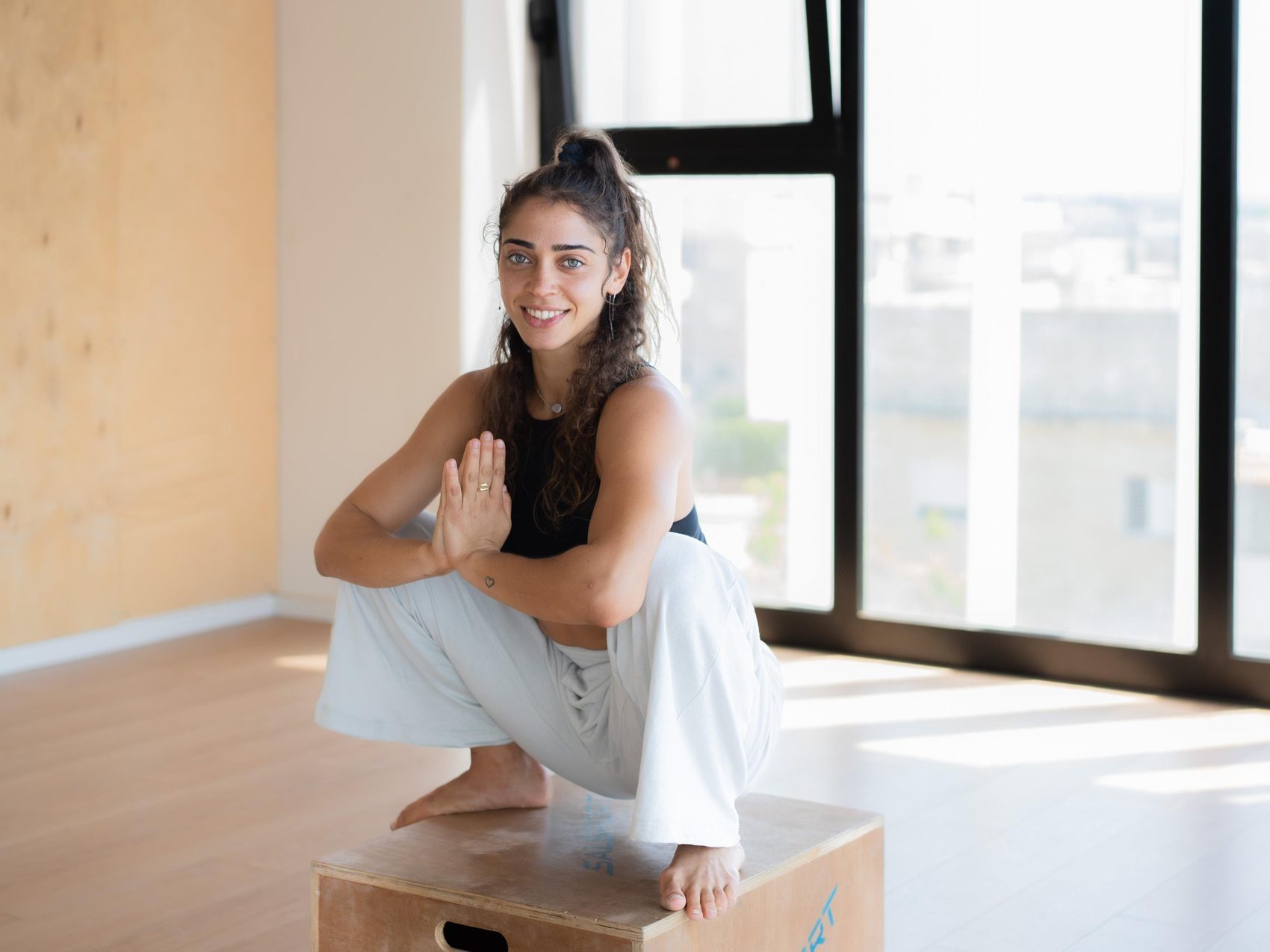
The Body, Emotions, and the Human Experience
Movement is a fundamental part of being human. Long before verbal language develops, the body serves as a means of exploration, communication, and discovery. A baby reaches, rolls over, crawls, and attempts to stand. Through these experiments, children learn about their surroundings and their ability to act within them. In adulthood, movement continues to serve a purpose that extends far beyond activating muscles. It shapes how we experience ourselves, express emotions, and engage with life.
Conversations about physical activity often focus on measurable outcomes: strength, flexibility, endurance, or changes in appearance. These are meaningful aspects, but they do not capture movement’s full value. Alongside them are experiences that are harder to quantify: vitality, enjoyment, presence, and confidence in the body. A broader perspective allows us to see movement as a space for learning and connection, as well as a way to develop physical abilities.
The Body as a Focus for Attention
In daily routines spent largely in front of screens, our attention is directed outward for hours at a time. Messages, tasks, and content change rapidly, while the body often remains in the same position. Amid this constant activity, simple sensations can go unnoticed: raised shoulders, a clenched jaw, the need to change position or step outside for a walk.
Movement offers an opportunity to pause and notice. Shifting weight between the feet, gently rotating the spine, or reaching the arms overhead can bring attention back to physical experience. The questions become tangible: Where is effort being held? What moves easily? What pace feels comfortable right now?
This kind of attention is a skill that can be developed. Becoming familiar with a wider range of sensations and movements can help us recognize different physical states and adapt our actions accordingly. Practice then becomes an opportunity to understand the body, alongside completing a task.
Movement and Emotional Experience
Emotions are experienced in the body, too. Excitement can bring an urge to move, while tension may appear as tightness or restlessness. Sometimes, a physical sensation is easier to recognize than the emotion behind it.
Within this relationship, movement can offer a means of expression and exploration. Dance creates room to play with rhythm and intensity; walking offers time and space; slow movement invites attention to detail. Different people may find meaning in different forms of movement, and the same person may need a different experience from one day to the next.
Every practice does not have to end with an immediate improvement in mood. Sometimes, its value lies in the willingness to give attention to what is already present. Fatigue or restlessness can have a place within the practice, without becoming problems that must be solved before it begins.
Play, Curiosity, and the Willingness to Be a Beginner
In childhood, much of our movement is driven by curiosity. Climbing, crawling, jumping, and rolling are ways of exploring possibilities. Repetition often comes from enjoyment and the desire to discover what else is possible.
In adulthood, exploration can become more cautious and self-conscious. We may feel a need to succeed, appear capable, or understand the benefit of every action in advance. The fear of looking awkward can limit our willingness to try, especially when a movement is unfamiliar.
Bringing play into practice can open up a different kind of space. A balance challenge, a new transition on the floor, or a partner exercise invites exploration without necessarily having one correct solution. There is room to experiment, adjust, make mistakes, and try again. Attention gradually shifts from how a movement looks to what can be learned through it.
Play also belongs within a committed learning process. It allows us to approach challenges with interest and find value in the attempt itself. Success remains satisfying, while the process of reaching it becomes meaningful, too.
Progress and Listening to the Body
Developing a physical skill requires time, repetition, and effort. It also requires the ability to adapt a challenge to current circumstances. Energy, experience, and capacity can vary, and a useful practice needs to leave room for those changes.
Listening to the body can coexist with the desire to improve. It helps us consider what level of effort is appropriate, when to explore further, and when to change direction. Choosing to slow down or rest is part of managing a process over time.
From this perspective, progress takes several forms. It may appear as a greater range of motion or a new skill, but also as the ability to recognize unnecessary effort, move with confidence, or adapt an exercise to an individual need. These changes may be less visible, yet they can be meaningful in everyday life.
Making Room for Movement in Daily Life
For movement to become part of everyday life, it helps to allow it to take more than one form. Alongside structured classes and training sessions, there is room for walking, dancing at home, playing, and moving for a few minutes between tasks. These small opportunities create more ways to connect with the body, even on busy days.
Our relationship with movement becomes more flexible when it does not always depend on ideal conditions. We can choose the time, space, and intensity that fit the moment. This creates a sense of continuity that can adapt as life changes.
In this context, the phrase “movement as a language of healing” describes the possibility of building a more attentive and compassionate relationship with the body. It offers a space to experience capability, encounter limitations, find enjoyment, and discover new forms of expression. Through movement, the body takes an active place in daily life—as a source of experience, curiosity, and vitality.
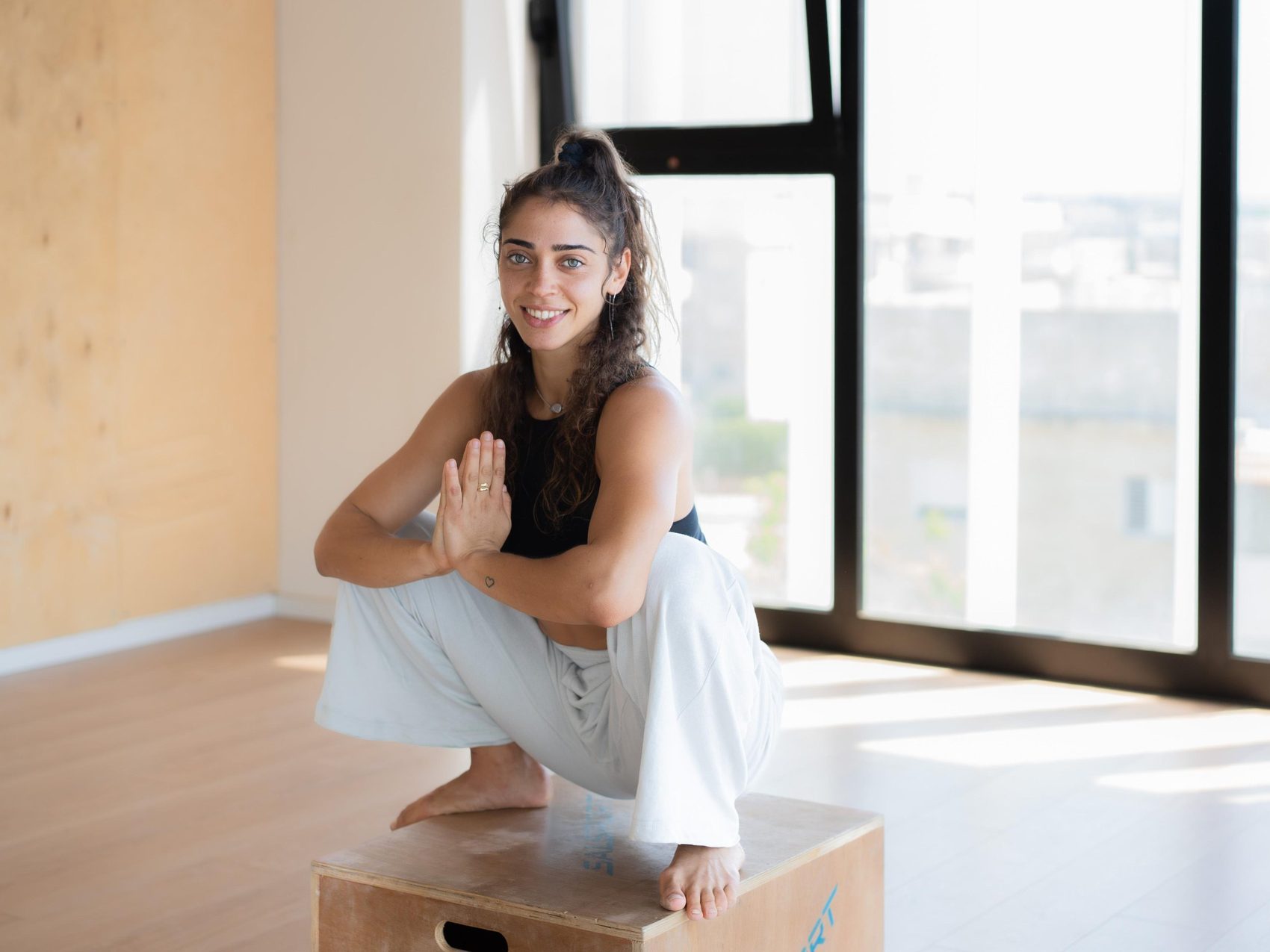
Written by
Roni Gozali
My path has taken me through martial arts, acrobatics, handstands and yoga. Bringing them together keeps me exploring, playing and discovering what the body can do.